
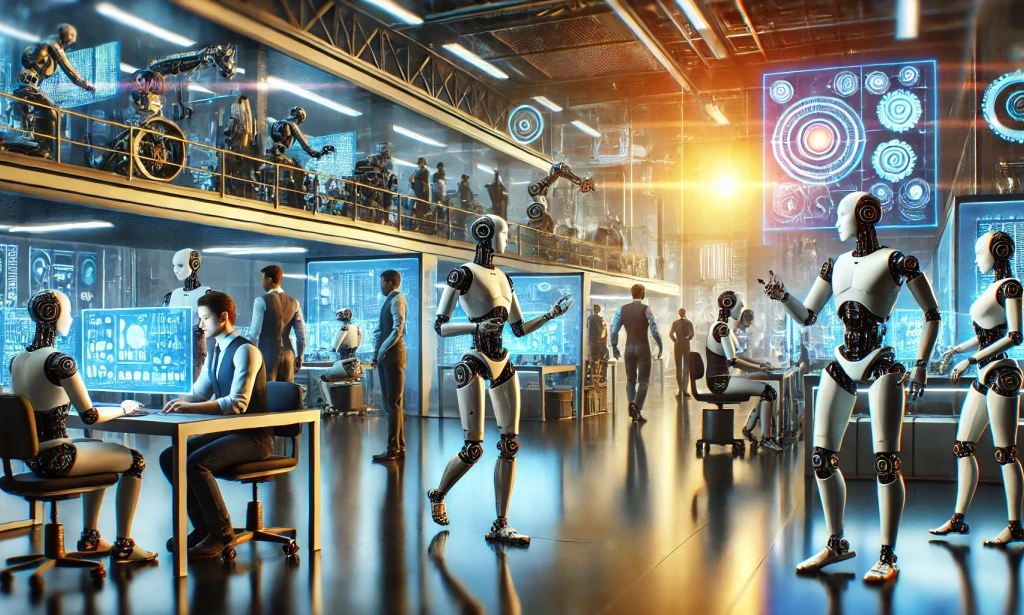
Are We Ready for a Robot Workforce?
The rise of robotics and artificial intelligence (AI) has sparked a debate about the future of work. From manufacturing floors to customer service roles, robots are increasingly becoming a part of the workforce. But are we truly ready to embrace a robot-driven economy? In this article, we explore the potential, challenges, and implications of integrating robots into various industries.
Table of Contents
- Introduction
- The Potential of a Robot Workforce
- The Current Status of Robots in the Workplace
- Challenges of Adopting a Robot Workforce
- Future Implications
- Conclusion
The Potential of a Robot Workforce
Robots have the potential to revolutionize industries by improving efficiency and productivity. Unlike humans, robots can work tirelessly without breaks, reducing operational costs and increasing output. In sectors such as healthcare, robots are assisting in surgeries and patient care, ensuring precision and consistency. In logistics, automated systems are streamlining warehouse operations and last-mile delivery.
Additionally, robots can perform dangerous tasks, minimizing risks to human workers. For instance, in mining and construction, robots are deployed in hazardous environments, ensuring safety while maintaining high productivity levels.
The Current Status of Robots in the Workplace
Today, robots are already transforming workplaces. Collaborative robots (cobots) are working alongside humans in industries like automotive manufacturing, where precision assembly is crucial. In retail, automated checkout systems are becoming the norm, reducing wait times for customers.
However, the adoption of robots varies by region and industry. Developed nations like Japan and Germany are leading the way in robotics integration, while developing countries are gradually catching up. The pace of adoption is largely influenced by factors such as technological advancements, investment capabilities, and workforce readiness.
Challenges of Adopting a Robot Workforce
Despite their potential, integrating robots into the workforce comes with significant challenges. One major concern is the displacement of human jobs. Automation has already replaced millions of routine jobs, and the trend is likely to continue. This raises questions about the future of employment and the need for reskilling programs.
Another challenge is the high initial investment required for robotics. Small and medium-sized enterprises (SMEs) often lack the resources to adopt advanced robotics systems, creating a disparity in technological adoption.
Ethical concerns also arise, such as ensuring robots adhere to moral guidelines and do not infringe on human rights. Privacy issues are another critical aspect, especially with AI-driven robots collecting and analyzing large amounts of data.
Future Implications
The future of a robot workforce is both exciting and uncertain. On one hand, robots can drive innovation, create new job opportunities in tech-related fields, and enhance economic growth. On the other hand, they could exacerbate inequality if proper measures are not taken to ensure a smooth transition.
Governments and organizations must work together to establish policies that promote ethical AI use and provide support for displaced workers. Education systems must evolve to prepare the next generation for a tech-driven economy, emphasizing skills in STEM (Science, Technology, Engineering, and Mathematics).
Conclusion
While the integration of robots into the workforce is inevitable, the journey requires careful planning and collaboration. By addressing the challenges and leveraging the potential of robotics, we can pave the way for a future where humans and robots coexist harmoniously, driving progress and prosperity.
Are we ready for a robot workforce? The answer lies in our ability to adapt, innovate, and ensure that technology serves humanity, not the other way around.

You must be logged in to post a comment.