
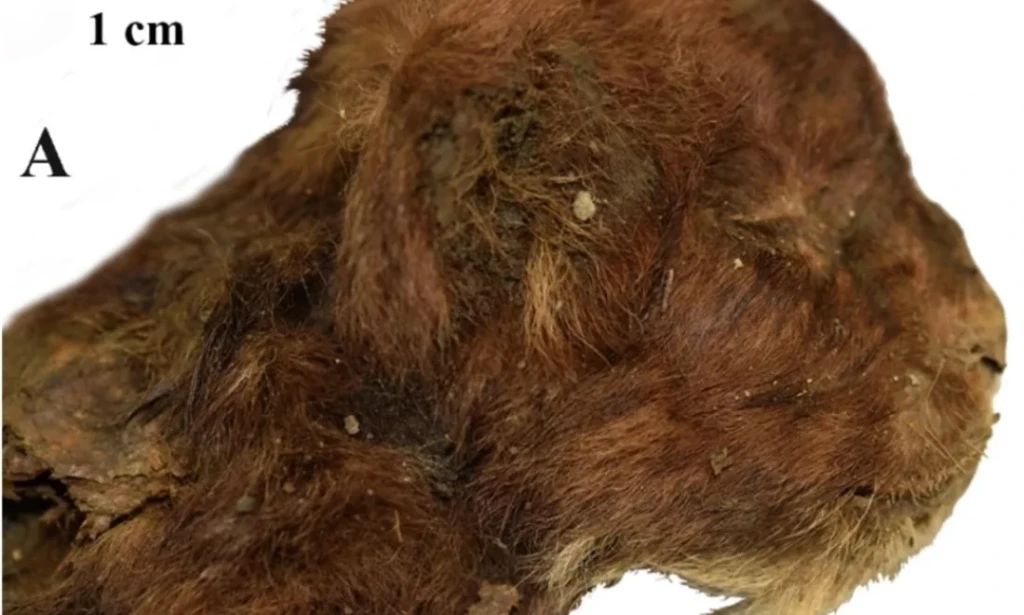
In a remarkable discovery, scientists have unearthed the frozen remains of a 35,000-year-old saber-toothed kitten preserved in the Siberian permafrost. This rare find offers an extraordinary glimpse into the Ice Age, shedding light on the lives of ancient predators that once roamed the Earth.
The Discovery
The saber-toothed kitten, believed to be a member of the extinct species Homotherium, was discovered by a team of paleontologists conducting research in the remote regions of Siberia. Encased in permafrost, the kitten's body was astonishingly well-preserved, with its fur, teeth, and even some internal organs intact. Such preservation is due to the freezing temperatures that have locked the animal in time for millennia.
Insights into the Ice Age
The Ice Age was a period marked by harsh climatic conditions, where large predators like saber-toothed cats dominated the landscape. This discovery provides scientists with invaluable information about the biology, behavior, and environment of these ancient creatures.
Preliminary examinations suggest that the kitten was less than a year old at the time of its death. Its teeth, a signature feature of saber-toothed cats, were just beginning to develop, indicating it was still dependent on its mother. Researchers are studying the remains to understand its diet, health, and the possible causes of its demise.
Why This Discovery Matters
Discoveries like this not only deepen our understanding of extinct species but also help us learn about the environmental conditions of the past. By analyzing the kitten’s remains, scientists can gather clues about the Ice Age ecosystem, such as the types of prey available, climate patterns, and the interactions between different species.
Additionally, the preservation of soft tissues opens up the possibility of studying ancient DNA. This could reveal genetic links between extinct saber-toothed cats and modern species, further enriching our knowledge of evolutionary history.
The Role of Permafrost in Paleontology
The Siberian permafrost has proven to be a treasure trove for paleontologists. Over the years, it has yielded numerous discoveries, including mammoths, woolly rhinos, and now, a saber-toothed kitten. These findings highlight the importance of permafrost as a natural time capsule, preserving snapshots of ancient life for tens of thousands of years.
However, with global warming causing permafrost to thaw at an unprecedented rate, the window for such discoveries may be narrowing. Scientists are racing against time to recover and study these ancient specimens before they are lost forever.
Conclusion
The discovery of the 35,000-year-old saber-toothed kitten is a testament to the wonders of science and the mysteries still hidden beneath the Earth's surface. As researchers continue to analyze this incredible find, we can look forward to new insights into the Ice Age and the creatures that once roamed our planet. This discovery not only enriches our understanding of the past but also serves as a reminder of the delicate balance of ecosystems, both ancient and modern.
Stay tuned for more updates as science unravels the secrets of this ancient feline and its frozen world.

You must be logged in to post a comment.